Showing posts with label health. Show all posts
Showing posts with label health. Show all posts
Saturday, 21 March 2015

Monday, 27 October 2014
STROKE signs
Stroke has a New Indicator They say if you email this to ten people, you stand a chance of saving one life. Will you send this along? Blood Clots/Stroke - They Now Have a Fourth Indicator, theTongue
I will continue to forward this every time it comes around!
STROKE: Remember the 1st Three Letters.....S. T. R.
STROKE IDENTIFICATION
It only takes a minute to read this.
A neurologist says that if he can get to a stroke victim within 3 hours he can totally reverse the effects of a stroke...totally. He said the trick was getting a stroke recognized, diagnosed, and then getting the patient medically cared for within 3 hours, which is tough.
RECOGNIZING A STROKE
Thank God for the sense to remember the '3' steps - STR.Read and Learn!
Sometimes symptoms of a stroke are difficult to identify. Unfortunately, the lack of awareness spells disaster. The stroke victim may suffer severe brain damage when people nearby fail to recognize the symptoms of a stroke.
Now doctors say a bystander can recognize a stroke by asking three simple questions:
S *Ask the individual to SMILE.
T *Ask the person to TALK and SPEAK
A SIMPLE SENTENCE (Coherently)
(i.e. Chicken Soup)
R *Ask him or her to RAISE BOTH ARMS.
If he or she has trouble with ANY ONE of these tasks, call emergency number immediately and describe the symptoms to the dispatcher.
New Sign of a Stroke -------- Stick out Your Tongue
NOTE: Another 'sign' of a stroke is this: Ask the person to 'stick' out his tongue. If the tongue is
'crooked', if it goes to one side or the other that is also an indication of a stroke.
A cardiologist says if everyone who gets this e-mail sends it to 10 people; you can bet that at least one life will be saved.
I have done my part. Will you?
Friday, 15 November 2013
Home Remedies for Food Poisoning .
http://www.youtube.com/watch?v=8Jn7-QONMNs
Most of us have suffered through food poisoning at one time or another. Food poisoning is caused by bacteria or other toxins in food. Some of the symptoms are nausea, vomiting, headache, dizziness, abdominal cramps and diarrhea. Food poisoning should not be ignored.
When you are suffering from food poisoning, your body will lose more water than normal. So try to stay well hydrated by drinking at least eight glasses of water throughout the day. The water will help flush out the toxins and bacteria causing your symptoms. Along with water, you can also drink diluted fruit juice and broth. You can also start treatment immediately with simple and readily available ingredients from your kitchen.
Here are the top 10 home remedies for food poisoning.
These natural treatments are sure to alleviate the symptoms of food poisoning and help you get instant relief. However, if symptoms continue, consult a doctor immediately.
http://www.top10homeremedies.com/home-remedies/home-remedies-for-food-poisoning.html
Most of us have suffered through food poisoning at one time or another. Food poisoning is caused by bacteria or other toxins in food. Some of the symptoms are nausea, vomiting, headache, dizziness, abdominal cramps and diarrhea. Food poisoning should not be ignored.
When you are suffering from food poisoning, your body will lose more water than normal. So try to stay well hydrated by drinking at least eight glasses of water throughout the day. The water will help flush out the toxins and bacteria causing your symptoms. Along with water, you can also drink diluted fruit juice and broth. You can also start treatment immediately with simple and readily available ingredients from your kitchen.
Here are the top 10 home remedies for food poisoning.
-
Ginger
Ginger is an excellent home remedy for curing almost all types of digestive problems related to food poisoning.
- You can drink one cup of ginger tea after eating lunch or dinner to stop heart burn, nausea and other symptoms associated with food poisoning. To make ginger tea, boil one teaspoon grated ginger in a cup of water for a few minutes, add sugar and your tea is ready
- Add a few drops of ginger juice to one teaspoon of honey and swallow it several times a day to reduce inflammation and pain.
- Eating raw ginger increases the acid level in your stomach, which will help you digest your food more quickly.
-
Apple Cider Vinegar
Due to its alkaline nature, apple cider vinegar can alleviate various food poisoning symptoms. Apple cider vinegar will soothe the gastro-intestinal lining and kill the bacteria, giving you instant relief.
- Just mix two tablespoon of apple cider vinegar in a cup of hot water and drink it before eating any solid food to prevent acid indigestion.
- Alternatively, you can drink two tablespoons of undiluted apple cider vinegar.
-
Fenugreek Seeds and Yogurt
Yogurt is another anti-bacterial agent that can counter attack the bacteria that cause food poisoning. You can take one teaspoon fenugreek seeds along with a tablespoon of yogurt. You just need to swallow the seeds and need not chew them. The combining effect of fenugreek seeds and yogurt will give you an immediate relief from stomach pain as well as vomiting. -
Lemon
The anti-inflammatory, antiviral, and antibacterial properties in lemons can give you much relief. The acid in lemons helps kill bacteria that cause food poisoning.
- Just add a pinch of sugar to one teaspoon of lemon juice and drink it two to three times a day.
- You can also sip on warm water with lemon juice to clean out your system.
-
Basil
Basil is an excellent herb that can cure infections caused by food poisoning. You can get the benefits from basil in several ways.
- Drink basil juice witha tablespoon of honey several times a day.
- Put a few drops of basil oil in one liter of drinking water. Drink it slowly throughout the day to kill bacteria causing stomach pain and other problems.
- Add basil leaves, some sea salt, and a pinch black pepper to three tablespoons of plain yogurt. Eat this three to four times a day until your symptoms are gone.
-
Garlic
Garlic is also very effective in fighting food poisoning due to its strong antiviral, antibacterial and antifungal properties. It relieves symptoms such as diarrhea and abdominal pain by destroying unhealthy microbes in the intestines.
- Eat one fresh garlic clove, swallowing it with water. If you can tolerate the smell of garlic, you can also try garlic juice.
- Alternatively, you can make a mixture of garlic oil and soybean oil and rub it on your stomach after eating.
-
Banana
Bananas are a rich source of potassium that greatly helps reduce the various effects of food poisoning. Because bananas are very soft,they are easy on the stomach. Eating just one banana will also help restore your energy level. You can simply eat a ripe banana or make a tasty and healthy banana shake and drink it two to three times a day. -
Cumin
Cumin seeds can control stomach inflammation due to food poisoning.
- Just crush one tablespoon of cumin seeds and swallow it, then drink a glass of water.
- You can also make an herbal drink from cumin seeds, salt, and asafetida. Drink it two to three times a day. This will cleanse the system and relieve your symptoms.
-
Herbal Tea
Sipping on different types of herbal tea can help soothe your disturbed system and keep your body well hydrated. Peppermint tea has a soothing effect on your stomach and can relieve stomach cramps. Comfrey root and meadow sweet tea will treat your stomach infection. If you are experiencing nausea, try licorice tea or chamomile tea as these teas will reduce inflammation and calm your stomach. -
Honey
Honey has both antifungal and antibacterial properties that can be effective for treating indigestion and other food poisoning symptoms. Honey as a natural remedy can be taken in its pure form or added to tea. A teaspoon of honey three times a day can do wonders to heal an upset stomach due to food poisoning and indigestion. It also controls the formation of excessive acid in the stomach.
These natural treatments are sure to alleviate the symptoms of food poisoning and help you get instant relief. However, if symptoms continue, consult a doctor immediately.
http://www.top10homeremedies.com/home-remedies/home-remedies-for-food-poisoning.html
Friday, 18 October 2013
Dolphin meat - Who eats dolphin meat?
First up, dolphin meat (イルカ肉) is pretty bizarre even by Japanese
standards, and second, Taiji is a hurting fishing town smack dab in the
middle of nowhere that's gotten a lot of bad press thanks to The Cove.
 http://www.thecovemovie.com/FAQRetrieve.aspx?ID=37078
The oceans around industrialized countries such as China, Japan and the United States is some of the most polluted in the world and the dolphins residing in those waters are some of the most toxic in the world. For instance, if fish has more than 2 ppm (parts per million) of PCB’s, the EPA requires that it not be fit for human consumption. Bottlenose dolphins off the East Coast of the United States can have up to 6800 ppm and if one washed up on the shores it would be eligible for clean-up as a super-fund site.

Who eats dolphin meat?
Much of the dolphin meat sold around Japan is actually mislabeled or sold as counterfeit whale meat from larger a whale, which sells for far more money than dolphin meat. Hundreds of samples of dolphin meat tested from around Japan has all been shown to be toxic and far exceeds their own ministry of health recommendations. Some internal organ meat for sale at the Okura markets near Taiji was analyzed to have 5000 times more mercury than the health advisory of 0.4 ppm.The oceans around industrialized countries such as China, Japan and the United States is some of the most polluted in the world and the dolphins residing in those waters are some of the most toxic in the world. For instance, if fish has more than 2 ppm (parts per million) of PCB’s, the EPA requires that it not be fit for human consumption. Bottlenose dolphins off the East Coast of the United States can have up to 6800 ppm and if one washed up on the shores it would be eligible for clean-up as a super-fund site.
Thursday, 1 August 2013
What You Need to Know about Hepatitis C
What You Need to Know about Hepatitis C
Living with Hepatitis C: Personal Stories
Wanda:
"I need to stay healthy, because I have two little girls and they keep me busy! I had a biopsy and my doctor says my liver is doing okay. So far, so good..." "... but I worry about my family. Sometimes I let my kids drink from my glass, or I forget to cover my mouth when I cough. Could that give them hepatitis C? And what about my partner? Can you get hepatitis C through sex?"Hepatitis C is not spread through casual contact like coughing, sharing cups or eating utensils, hugging, or kissing. Hepatitis C is only spread through contact with infected blood. The most common ways that hepatitis C is spread are:
- sharing needles and other equipment (" works") used to inject drugs or other substances
- mother to baby during birth
- accidental needle-stick injuries, mainly to health care workers on the job
- sex without using a condom (this is a rare way to get hepatitis C, but it does happen)
- sharing razors, toothbrushes, or nail clippers with a person who has hepatitis C (because these items may have traces of blood on them)
- tattoos or piercing, especially if it is not done by a professional with sterile equipment
Before 1992, people also got hepatitis C through infected blood transfusions and organ transplants. Now, all blood and organ donations are tested for hepatitis C, so it is safe to get blood or organs.
It is possible to spread hepatitis C during sex, but this is rare. On the other hand, HIV and other STDs (sexually transmitted diseases) are easily spread during sex. Always use condoms to protect yourself and your partners.
Keeping your loved ones safe
Hepatitis C is spread through blood. To avoid giving hepatitis C to others:- do not share needles, syringes, or other injection equipment (" works")
- do not share razors, toothbrushes, nail clippers, or other household items that could have blood on them
- clean up blood spills right away with bleach
- keep cuts or sores covered with a bandage
Carlos:
"When I found out that I had hepatitis C, I was really angry. I worked so hard to get off drugs and was just starting to get my life together. Then they told me I had this disease. I couldn't believe it. I didn't go back to the doctor for a while - I didn't want to deal with it.Later I realized it wasn't going to just go away. I want to stay as healthy as I can. Is there is a treatment for hepatitis C?"
You are not alone. Dealing with recovery and hepatitis C can be stressful. It may help to know that there are many other people in the same situation. Ask your doctor, counselor, or case manager about support groups for people in recovery who have hepatitis C.
There is a treatment for hepatitis C, but it does not work for everybody. The treatment is a combination of two medicines: pegylated interferon and ribavirin. Pegylated interferon is injected under the skin (like a shot) once a week. Ribavirin is a pill that you swallow. Treatment usually lasts for 12 months; sometimes it is shorter.
Hepatitis C treatment does not work for everyone:
- About half of people treated with pegylated interferon and ribavirin have healthier livers and no hepatitis C in their bodies at the end of treatment.
- Some people's livers get healthier during treatment, but the hepatitis C is not completely removed from their bodies. They may still have liver damage from hepatitis C in the future.
"I'm also in a methadone program. Will I have to stop taking methadone if I want treatment for hepatitis C?"
No. You can be treated for hepatitis C while you are on methadone.Michael:
"My doctor says I should think about getting pegylated interferon and ribavirin treatment for my hep C. She says it has a good chance of helping my liver.But I've heard that interferon has side effects that really mess you up. I have HIV, and when I started taking HIV medicines, I felt sick all day long. My doctor changed my HIV treatment, and I feel okay now, but I don't know if I want to deal with side effects like that again.
What are the side effects of hepatitis C treatment? Do most people get them?"
Pegylated interferon and ribavirin are strong drugs. Many people treated with them get side effects like:- flu-like symptoms (fever, chills, headache, muscle pain)
- feeling very tired (fatigue)
- mood changes (depression, bad temper)
- temporary hair loss
- anemia (reduced red blood cells)
"I don't know if I'm ready for all that. Do I have to start treatment for hepatitis C right away?"
This is not an easy question. There are good reasons to delay treatment - and good reasons to start treatment sooner:
Reasons to delay hepatitis C treatment
When and how to treat your hepatitis C is a hard decision. Family needs, side
effects, work, substance use, health issues, and many other parts of your life
will affect your choice. Your doctor or nurse can help you look at all of the
factors to decide what is best for you.- Side effects from interferon and ribavirin could make you sick.
- Better treatments may be available in the future.
- Your hepatitis might not get worse— some people never have serious liver problems.
- Treatment might not work as well later.
- Your hepatitis C could get worse very fast.
- If your liver gets too badly damaged, you might need a liver transplant.
Depression is a common side effect
Severe depression can happen to anyone who is taking interferon. It is more likely in people who have a history of depression or other mental illness. If you have a history of any mental illness or substance use/abuse, tell your doctor before you begin treatment with any type of interferon. Your doctor may suggest that you start anti-depressant medicine or see a psychiatrist before you begin your hepatitis C treatment. Your doctor can also refer you to support services like hotlines or counseling so that if you do have mood changes, you can get help right away.http://www.health.ny.gov/publications/1801/stories.htm
Saturday, 16 March 2013
Friday, 21 December 2012
Think breast implants are safe?
Think breast implants are safe?
Snake bites this model's boob and dies
http://singaporeseen.stomp.
Snake bites this model's boob and dies
http://singaporeseen.stomp.

Israeli model Orit Fox was posing with a snake for a radio show when the reptile suddenly sunk its fangs into her left breast. The model was treated at a hospital and is okay, but the snake later died of silicone poisoning.
STOMPer SnakeEyes sent in the video and says:
"This video has been going the rounds on Facebook.
"Based on the principle of schadenfreude, naturally some of us will think the video is amusing.
"However, it was found out that the snake later died of silicone poisoning.
"How could a poisonous snake die from something that is seemingly safe and done by so many around the world?
"Ladies, before you get a boob job, please think twice.
"It may seem safe, but is quite toxic.
"On another note, perhaps a new 'armour' could be made from silicone when people go wandering into jungles with poisonous snakes..."
STOMPer SnakeEyes sent in the video and says:
"This video has been going the rounds on Facebook.
"Based on the principle of schadenfreude, naturally some of us will think the video is amusing.
"However, it was found out that the snake later died of silicone poisoning.
"How could a poisonous snake die from something that is seemingly safe and done by so many around the world?
"Ladies, before you get a boob job, please think twice.
"It may seem safe, but is quite toxic.
"On another note, perhaps a new 'armour' could be made from silicone when people go wandering into jungles with poisonous snakes..."
Click on thumbnails for larger image


Snake dies after biting silicone breast
Indo-Asian News Service, Updated: March 15, 2011 13:55 IST
London: A huge snake died of silicone poisoning after it bit the enhanced breast of a model during a photoshoot.
Israeli Orit Fox was at a photoshoot in Tel Aviv in which she alluringly used the boa constrictor. The snake suddenly lunged at her and bit her breast, the Daily Mail reported Monday.
Fox was initially comfortable with the snake and wrapped it around her legs, waist and neck.
She then licked the snake, loosening the grip on its neck. The snake then sank its fangs into her left breast.
The model screamed for help, and an assistant struggled to pull off the determined snake. After a few seconds, the snake released its grip.
Though Fox needed a tetanus shot in the hospital, it was the snake which came off worse as it died from silicone poisoning.
Israeli Orit Fox was at a photoshoot in Tel Aviv in which she alluringly used the boa constrictor. The snake suddenly lunged at her and bit her breast, the Daily Mail reported Monday.
Fox was initially comfortable with the snake and wrapped it around her legs, waist and neck.
She then licked the snake, loosening the grip on its neck. The snake then sank its fangs into her left breast.
The model screamed for help, and an assistant struggled to pull off the determined snake. After a few seconds, the snake released its grip.
Though Fox needed a tetanus shot in the hospital, it was the snake which came off worse as it died from silicone poisoning.
Sunday, 28 October 2012
Positive Thoughts
Positive thoughts are those thoughts which give us and others the experience of our original virtues like peace, love, bliss, happiness, etc.
They enable you to accumulate inner strength and equip you to be constructive.
Positive thoughts are always beneficial in all circumstances, without trapping you in the external appearance of a situation.
Thinking positively does not mean ignoring the reality of your world and living in a fantasy or longing to be another person.
For example, if you were to repeat over and over again, "I am well, am well," when you were ill, this is not what we mean by positive thinking.
Thinking positively involves looking at problems and recognizing reality, but at the same time being able to find solutions without becoming obsessed or confused. This often requires tolerance, patience and common sense. A person who thinks positively is aware of the weaknesses of others, but even then will direct their attention towards their positive characteristics.
Positive thoughts make you happy and as a result your expectations of others decrease. This does not mean that they do not matter to you, but that you no longer demand love, respect, recognition, or even calm, from them, and it makes your relationships that much easier. This is the best way to create long-lasting and harmonious relationships.
When you have inner happiness, you have the strength to accept other people as they are without wanting them to be different. This acceptance produces more peaceful relationships.
With the positive attitude you create, you can offer yourself to other people just the way you are, with your virtues and limitations, without pretense.
Your body also benefits greatly, since when you have a balanced, harmonious mind you are less susceptible to illnesses.
A person who has many useless thoughts will often feel very tired because they are spending their energy in creating thousands of unnecessary and inefficient thoughts.
Your mind is strengthened and healed by being nourished with positive thoughts. A healthy mind is the basis of a balanced personality.
They enable you to accumulate inner strength and equip you to be constructive.
Positive thoughts are always beneficial in all circumstances, without trapping you in the external appearance of a situation.
Thinking positively does not mean ignoring the reality of your world and living in a fantasy or longing to be another person.
For example, if you were to repeat over and over again, "I am well, am well," when you were ill, this is not what we mean by positive thinking.
Thinking positively involves looking at problems and recognizing reality, but at the same time being able to find solutions without becoming obsessed or confused. This often requires tolerance, patience and common sense. A person who thinks positively is aware of the weaknesses of others, but even then will direct their attention towards their positive characteristics.
Positive thoughts make you happy and as a result your expectations of others decrease. This does not mean that they do not matter to you, but that you no longer demand love, respect, recognition, or even calm, from them, and it makes your relationships that much easier. This is the best way to create long-lasting and harmonious relationships.
When you have inner happiness, you have the strength to accept other people as they are without wanting them to be different. This acceptance produces more peaceful relationships.
With the positive attitude you create, you can offer yourself to other people just the way you are, with your virtues and limitations, without pretense.
Your body also benefits greatly, since when you have a balanced, harmonious mind you are less susceptible to illnesses.
A person who has many useless thoughts will often feel very tired because they are spending their energy in creating thousands of unnecessary and inefficient thoughts.
Your mind is strengthened and healed by being nourished with positive thoughts. A healthy mind is the basis of a balanced personality.
Thursday, 20 September 2012
Vegetarian Therapy Treatment Toothache
Vegetarian Therapy Treatment Toothache

Toothache is a common symptom of diseases of the teeth and periodontal structures. It can be divided into 2 types: Patients with stomach fire type may suffer from severe pain in the teeth, redness and swelling of the gums, oozing of blood and pus, swelling of the cheek, headache, foul smell from the mouth and constipation; and patients with deficient fire type may suffer from dull pain in the teeth, slight swelling of the gums and atrophy of the gums, and looseness of teeth in chronic cases, aggravation of toothache in the afternoon, soreness of the waist and tinnitus.
Recipe 1: An adequate amount of watermelon skin.
Administration: A decoction of the watermelon skin is drunk as a tea.
Indication: This recipe can control bleeding of the gums to treat toothache of deficient fire type.
Recipe 2: Two walnuts.
Administration: The walnuts are taken orally in the morning and evening.
Indication: The intake of walnuts can control toothache due to deficiency of kidney Yin and upward flaming of deficient fire. Thirty g of walnut may be taken orally after being soaked and boiled in liquor.
Recipe 3: An adequate amount of fresh red dates.
Administration: The red dates may be constantly taken orally.
Indication: The dates can clear stomach fire to treat toothache of stomach fire type in patients with bleeding gums.
Recipe 4: An adequate amount of leek seeds.
Administration: Powder of leek seeds is used to produce cigarettes for smoking.
Indication: The cigarettes are used to treat toothache resulting from caries of the teeth.
If you have any question , you clink to http://net.zoosnet.net/LR/Chatpre.aspx?id=NET39826137
Friday, 14 September 2012
Managing stress as a doctor
Managing stress as a doctor
What is it about doctors that makes them vulnerable to poorly managing their own health?
Our research at the Doctors for Doctors Unit shows that only one in three doctors would see their GP when unwell, despite almost all being registered with one (which is often simply required for work, insurance and so on). One in eight doctors reported that they use alcohol or drugs to help them cope with work and ill health, about one in four reported knowing of colleagues who do so.
It is probably a combination of factors leading to such problems: the conscientious personalities of doctors, the demands of the job, and the culture and systems around doctors health.
Doctors' personalities
There are traits that typically feature in a doctor's profile that might make us good at being doctors, but not necessarily at looking after ourselves. We are obsessive and perfectionist, overly conscientious, and we seek approval. Doctors need to be in control, but may harbour chronic self-doubt. We also tend to dislike praise and delay gratification or the rewards from the job.
The very definition of the job also creates a fine line that doctors walk. To be a good doctor, one needs to be involved with patients (capable of empathy and humanity); yet to remain objective and survive emotionally, one needs to be detached from their pain and suffering. And higher levels of self-criticism are associated with high rates of depression; yet doctors need to be obsessional and self-critical in order to avoid mishaps. The very traits that are necessary for good patient care may not be good for the doctor's health.
Demands of the job
But there are also external factors that cause doctors to burn out. We are giving all day (and night) emotionally, and dealing with physical and emotional distress but who cares for us? For GPs in particular, there is isolation, both psychologically and physically. Doctors are also practising intensively at front line. Long hours lead to poor family relationships/support. Added to all this there is:
* A lack of feedback (except in the form of complaints!);
* Perceived threat of, for example, violence, complaints;
* Insecurity (poor support from management; and NHS reorganisation);
Culture
Comments doctors have given us sum up how there is much collusion allowing the health effects of all these stresses to go unchecked - that doctors are not supposed to be ill, everyone expects a doctor to get on with it and cure himself, doctors with health problems are seen as potential problems and I don't think the avenues are clear enough. There is enormous pressure on doctors not to give in to ill health.
So how do doctors know when these three factors - themselves, the job, and the culture around them have conspired to start causing damage, and what can they do about it?
The symptoms of burn out are identifiable in four areas: emotional, cognitive, behavioural and physical.
Emotional:
Loss of humour;
Irritability/resentment/bitterness;
Depressed mood, apathy;
Feelings of failure/guilt/blame.
Cognitive:
Poor concentration;
Rigidity/resistance to change;
Suspicion/mistrust;
Stereotyping;
Objectification/distancing;
Ruminations (of leaving, revenge, and so on).
Behavioural:
Work avoidance (absenteeism, clock-watching, and so on);
Diminished personal conduct with clients/colleagues;
Inflexible behaviour;
Habitual lateness;
Acting out (alcohol/drugs/affairs/shopping, and so on).
Physical:Tiredness, lethargy;
Sleep disorders;
Increased minor illnesses (headache, backache, and so on).
Many of the ways in which we can help ourselves will read as common sense and are often not too difficult First and foremost, register with a GP before any problem presents itself. When there are stresses, share problems with family, friends, and colleagues and admit vulnerability. You are a human-being like any of your patients. Set boundaries and make space for yourself; learn to say NO. Try to build in some protection to your spare time so that it doesnt get eaten into. And seek help early if you do develop problems that need further management, and consider options including psychotherapy or counselling.
If you are feel that you are getting symptoms of burn out, keeping a stress diary for just a week can help with identifying the stressors and doing something about preventing further ill effects. Divide the day into hours and record events occurring in each hour. Rate events on a scale of one to ten on two parallel charts one for how stressful the event was and another for how much benefit that same event provided you. After a week, reflect on your ratings and try to alter those events that are causing you high stress for low value. The process of keeping a diary means you will also be paying some attention to time management, which can also help against stress. An example of a time management tool that is quick and easy to use can be found at this web page from Bristol GP solutions [http://www.bristolgpsolutions.org.uk/h4.htm ].
Applying a CBT approach to stressful events can help you identify and manage problems too, simply by thinking about your reactions to situations and asking these sorts of questions:
- Was it stressful and how?
- What was I thinking and how did I react?
- What was the outcome?
- How could I have reacted differently?
- What changes could I make?
Identify your negative thoughts review them rationally and challenge them. Counter what have become automatic negative thoughts - with positive alternatives. Sometimes it can also be helpful to try and see the point of view of those with whom you are in conflict.
A final note is that one of the factors that need not necessarily be out of your control is your colleagues and your particular work set up. GPs in particular should place some importance on finding the right practice or partners as far as possible.
In summary, there is much you are in control of yourself to prevent problems caused by the pressures of the profession. Your personality, what being a doctor demands, and the culture around you are three factors that you can recognise and manage too.
Dr Michael Peters, Head of the Doctors for Doctors Unit of the BMA
Wednesday, 12 September 2012


Sunday, 8 July 2012

Friday, 6 July 2012
What Is a Surgical Knife?
What Is a Surgical Knife?
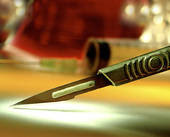


 A surgical knife, also called a scalpel, is a small bladed instrument used to make incisions during medical or scientific procedures such as surgeries, biopsies, and dissections. Variations of such knives are also used by craftsmen and artists because they are highly effective for precision cuts on or through many different surfaces. The blade of a surgical knife must be incredibly sharp because such knives need to slice through skin and other tissues with a high degree of precision. Surgical knives are usually made of high-quality tempered steel, though more expensive, higher-quality materials are also used on occasion.
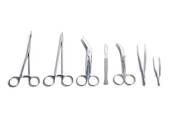
Just as there are many different uses for the surgical knife, there are many different kinds of surgical knives. Many have reusable handles and replaceable blades so that one does not need to replace the whole knife when the blade gets dull. There are also many different designs for the blade of a surgical knife. The most common surgical knives, standard scalpels, have one curved cutting surface that is good for cutting through skin and muscle. Other surgical knives may have double-edged blades, chisel-shaped blades, triangular blades, or many other different kinds of blades based on the specific task for which they are needed.
When a surgical knife is actually used for surgery, sterility is a significant concern. In general, a single blade on any bladed instrument used in surgery will only be used once before it is recycled and sterilized. This is true even if the blade is only used for a single, tiny incision. If a blade that is not sterile is used, there is a considerable risk of infection to the individual being cut by the knife. Sterile knives are an essential part of safe and effective surgery.
Sometimes, steel surgical knives are unsuitable for surgery. For example, when surgery is is being performed based on an MRI, or magnetic resonance imaging system, the magnets in the MRI would magnetically attract the blade, making surgery difficult or impossible. For this reason, blades made out of nonmagnetic substances are sometimes used in surgery. Alternatively, surgeries can sometimes be conducted through the use of alternate techniques such as electrocautery or laser incision.
There are generally two main ways in which a surgeon holds a surgical knife. The palamar grip, which is similar to the way one holds a dinner knife, is effective for long, large cuts. The pencil grip, which is similar to the way most people hold writing instruments, is more effective for small, precise incisions.
----------------------------------------------------------------------------
Surgical knives are usually made of high-quality tempered steel, though more expensive, higher-quality materials are also used on occasion. Just as there are many different uses for the surgical knife, there are many different kinds of surgical knives. Many have reusable handles and replaceable blades so that one does not need to replace the whole knife when the blade gets dull.
Unlike metals such as silver, surgical steel will rarely interact with a piercing, reducing the risk of infection, inflammation, and poor healing outcomes. Surgical steel body jewelry is often inserted at the time of piercing to promote healthy healing, and surgical steel is the metal of choice for implants used in body modification, thanks to its low reactivity.
In all, there are 67 different types of scalpel blades and 27 different types of handles, although not all of these types are for medical purposes. In general, surgical scalpels are individually designed for specific types of surgery
# Disposable surgical scalpels usually are single-piece, often come with plastic handles and have retractable blades, much like a utility knife. The entire scalpel is thrown away after just one use. Surgical blades and handles alike are commonly identified by a number. Some handles are designed to fit a specific hand hold.
# If this procedure is done in a sterile and closed environment, the skin would first be sterilized, and the skin would then be anesthetized. The incision would be performed using a surgical blade, clamps would hold the airway open, a tracheotomy tube would be inserted, and the patient would be ventilated with a bag valve unit.
http://www.wisegeek.com/what-is-a-surgical-knife.htm
A surgical knife, also called a scalpel, is a small bladed instrument used to make incisions during medical or scientific procedures such as surgeries, biopsies, and dissections. Variations of such knives are also used by craftsmen and artists because they are highly effective for precision cuts on or through many different surfaces. The blade of a surgical knife must be incredibly sharp because such knives need to slice through skin and other tissues with a high degree of precision. Surgical knives are usually made of high-quality tempered steel, though more expensive, higher-quality materials are also used on occasion.
Just as there are many different uses for the surgical knife, there are many different kinds of surgical knives. Many have reusable handles and replaceable blades so that one does not need to replace the whole knife when the blade gets dull. There are also many different designs for the blade of a surgical knife. The most common surgical knives, standard scalpels, have one curved cutting surface that is good for cutting through skin and muscle. Other surgical knives may have double-edged blades, chisel-shaped blades, triangular blades, or many other different kinds of blades based on the specific task for which they are needed.
When a surgical knife is actually used for surgery, sterility is a significant concern. In general, a single blade on any bladed instrument used in surgery will only be used once before it is recycled and sterilized. This is true even if the blade is only used for a single, tiny incision. If a blade that is not sterile is used, there is a considerable risk of infection to the individual being cut by the knife. Sterile knives are an essential part of safe and effective surgery.
Sometimes, steel surgical knives are unsuitable for surgery. For example, when surgery is is being performed based on an MRI, or magnetic resonance imaging system, the magnets in the MRI would magnetically attract the blade, making surgery difficult or impossible. For this reason, blades made out of nonmagnetic substances are sometimes used in surgery. Alternatively, surgeries can sometimes be conducted through the use of alternate techniques such as electrocautery or laser incision.
There are generally two main ways in which a surgeon holds a surgical knife. The palamar grip, which is similar to the way one holds a dinner knife, is effective for long, large cuts. The pencil grip, which is similar to the way most people hold writing instruments, is more effective for small, precise incisions.
----------------------------------------------------------------------------
Surgical knives are usually made of high-quality tempered steel, though more expensive, higher-quality materials are also used on occasion. Just as there are many different uses for the surgical knife, there are many different kinds of surgical knives. Many have reusable handles and replaceable blades so that one does not need to replace the whole knife when the blade gets dull.
Unlike metals such as silver, surgical steel will rarely interact with a piercing, reducing the risk of infection, inflammation, and poor healing outcomes. Surgical steel body jewelry is often inserted at the time of piercing to promote healthy healing, and surgical steel is the metal of choice for implants used in body modification, thanks to its low reactivity.
In all, there are 67 different types of scalpel blades and 27 different types of handles, although not all of these types are for medical purposes. In general, surgical scalpels are individually designed for specific types of surgery
# Disposable surgical scalpels usually are single-piece, often come with plastic handles and have retractable blades, much like a utility knife. The entire scalpel is thrown away after just one use. Surgical blades and handles alike are commonly identified by a number. Some handles are designed to fit a specific hand hold.
# If this procedure is done in a sterile and closed environment, the skin would first be sterilized, and the skin would then be anesthetized. The incision would be performed using a surgical blade, clamps would hold the airway open, a tracheotomy tube would be inserted, and the patient would be ventilated with a bag valve unit.
http://www.wisegeek.com/what-is-a-surgical-knife.htm




Saturday, 23 June 2012

Saturday, 9 June 2012
Vintage Cigarette Ads
In 1971 the first health warnings appeared on cigarette packets and by 1986 you could no longer show a person smoking on a tobacco advert. A general advertising ban came into force in 2003.


United Kingdom
In 1971, tobacco companies printed on the left side of cigarette packets "WARNING by H.M. Government, SMOKING CAN DAMAGE YOUR HEALTH".
In 1991, the E.U. tightened laws on tobacco warnings. "TOBACCO SERIOUSLY DAMAGES HEALTH" was printed on the front of all tobacco packs. An additional warning was also printed on the reverse of cigarette packs.

In 2003, new E.U. regulations required one of the following general warnings must be displayed, covering at least 30% of the surface of the pack:
- Smoking kills
- Smoking seriously harms you and others around you
Additionally, one of the following additional warnings must be displayed, covering at least 40% of the surface of the pack:
- Smokers die younger
- Smoking clogs the arteries and causes heart attacks and strokes
- Smoking causes fatal lung cancer
- Smoking when pregnant harms your baby
- Protect children: don't make them breathe your smoke
- Your doctor or your pharmacist can help you stop smoking
- Smoking is highly addictive, don't start
- Stopping smoking reduces the risk of fatal heart and lung diseases
- Smoking can cause a slow and painful death
- Get help to stop smoking: [telephone]/[postal address]/[internet address]/consult your doctor/pharmacist
- Smoking may reduce the blood flow and cause impotence
- Smoking causes ageing of the skin
- Smoking can damage the sperm and decreases fertility
- Smoke contains benzene, nitrosamines, formaldehyde and hydrogen cyanide
From October 2008, all cigarette products manufactured would carry picture warnings to the reverse. Every pack would have one of these warnings by October 2009.
Subscribe to:
Posts (Atom)